
dental-clinic
- Home
- dental-clinic
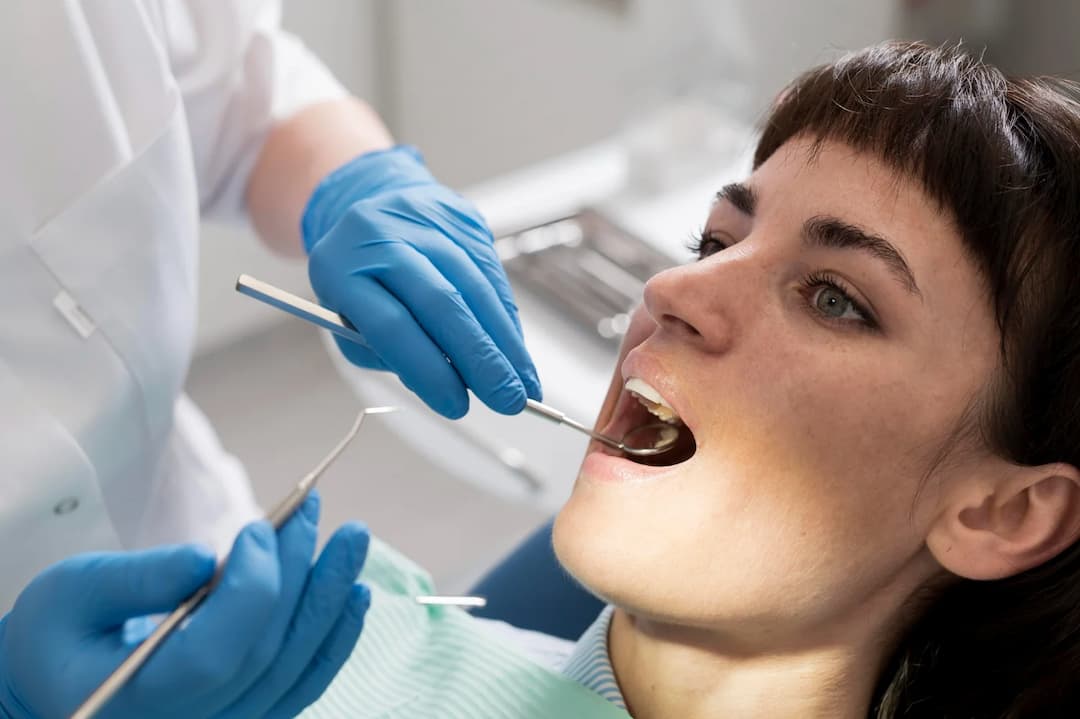
Root Canal Dental Service involves a procedure to treat infections or damage within the pulp of a tooth & . The process includes removing the infected or damaged pulp, cleaning and disinfecting the root canals, and then filling and sealing them to restore the tooth's function and prevent further infection. This service aims to save a tooth that might otherwise need to be extracted, alleviating pain and preserving the natural tooth structure for long-term dental health.
Indications:
1.Tooth decay or infection
2.Cracked or fractured tooth
3.Abscess or cyst formation
4.Severe tooth sensitivity
5.Swelling or tenderness
Read More
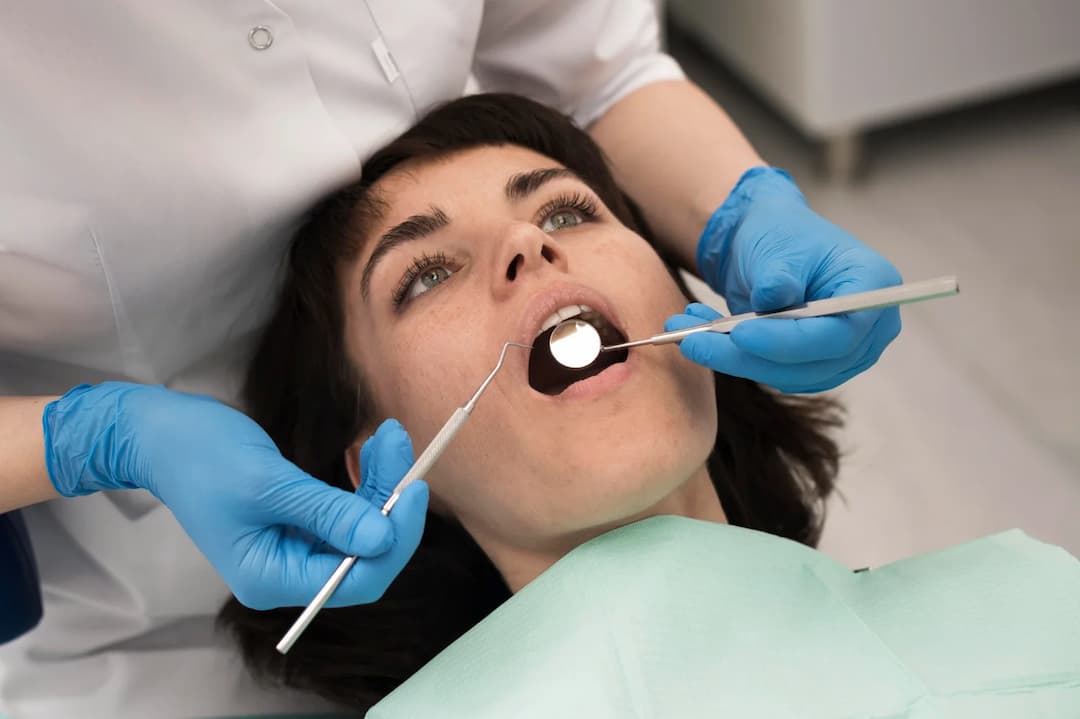
Scaling dental service involves the cleaning of teeth to remove plaque, tartar, and stains from the tooth surface and beneath the gumline. This procedure helps prevent and treat gum disease, tooth decay, eliminate the soft, sticky film of bacteria that forms on teeth and can lead to gum disease and bad breath. Scaling is typically performed by a dentist or dental hygienist and may be followed by polishing to smooth the teeth and reduce plaque buildup. Regular scaling is essential for maintaining optimal oral health and ensuring the longevity of teeth and gums.
Read More
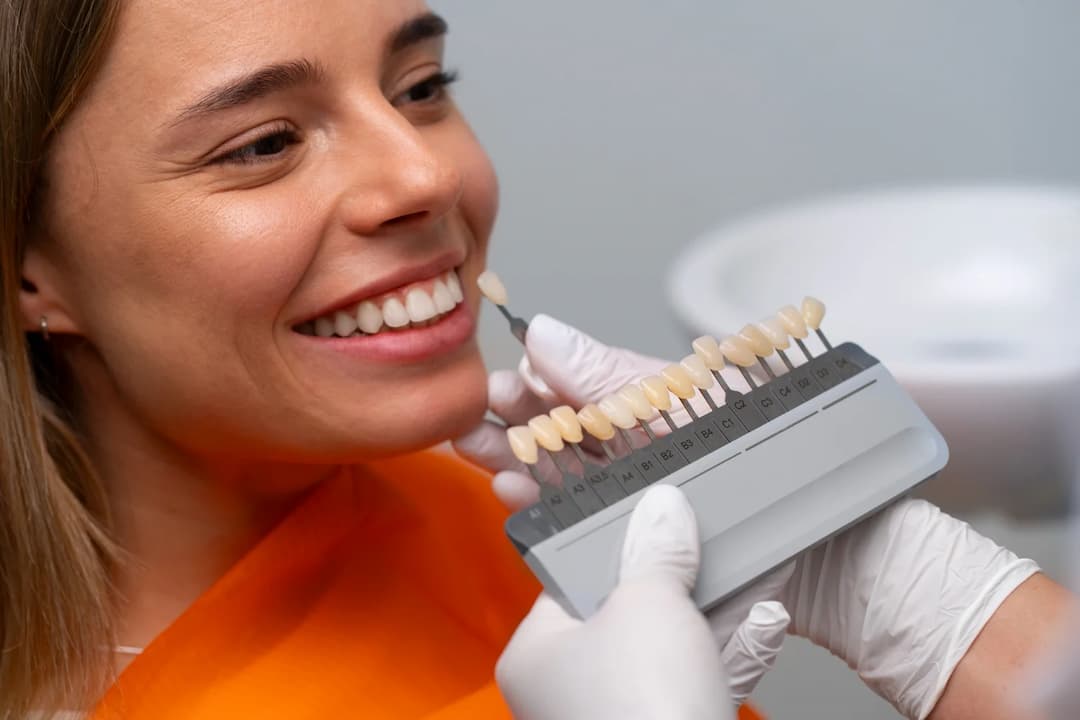
Dental Implant provides advanced solutions for replacing missing teeth through dental implants. This service involves placing titanium posts into the jawbone, which act as artificial tooth roots, and attaching custom-made crowns or bridges to restore function and appearance. Dental implants offer a durable, natural-looking in both appearance and function. It is an alternative to dentures or bridges, helping improve chewing ability, speech, and overall oral health. Implants help to prevent bone loss in the jaw that occurs after tooth loss. They don’t require altering adjacent teeth, unlike bridges. The procedure includes comprehensive planning, placement, and follow-up care to ensure successful outcomes and patient satisfaction.
Read More
OPG, or orthopantomogram, is a panoramic X-ray of the upper and lower jaws, teeth, bone structure, wisdom teeth, infections, tumors, and surrounding tissues. It provides a comprehensive view of the dental and skeletal structures in a single image, aiding in the diagnosis of dental issues, jaw disorders, and bone abnormalities. OPG is commonly used in orthodontics, oral surgery, and general dentistry to plan treatments, assess development, and monitor oral health. It offers a broad perspective with relatively low radiation exposure compared to traditional X-rays.
Read More
Dental surgery encompasses a variety of procedures aimed at addressing issues within the teeth, gums, jaw, and surrounding structures.
- Tooth Extraction: Removing a tooth that is decayed, damaged, or impacted.
- Dental Implants: Inserting artificial tooth roots into the jawbone to support replacement teeth.
- Wisdom Teeth Removal: Extracting third molars that may cause crowding or infection.
- Gum Surgery: Procedures to treat gum disease or reshape gums for aesthetic purposes.
- Jaw Surgery: Corrective surgery to address misalignments or deformities in the jaw.
- Root Canal Treatment: Removing infected pulp from a tooth and sealing it to prevent further infection.
Read More
Pedo or Pediatric root canal, often referred to as a "pulpotomy" or "root canal therapy" for children, is a procedure used to treat infected (pain, swelling, or abscess formation) or damaged pulp tissue in a child's tooth. Cavity that reaches the pulp of the tooth & damage the teeth. Pediatric root canals are generally successful, allowing the child to keep their natural tooth until it’s time for permanent teeth to emerge.
Read More
Teeth polishing is a cosmetic dental procedure that involves smoothing and shining the surfaces of the teeth. It's often performed after a professional cleaning to remove any stains, plaque, or tartar that may have been left behind. It enhances the appearance of teeth by removing surface stains from food & drinks. Creates a smoother surface on the teeth, which can help reduce plaque buildup in the future. Teeth polishing is a safe and effective way to maintain oral health.
Read More
Orthodontic treatment involves the diagnosis, prevention, and correction of misaligned teeth and jaws. Proper alignment can alleviate jaw pain and prevent future dental issues. The primary goal is to improve oral function, aesthetics, and overall dental health. Prevent or address issues such as overcrowding, gaps, overbites, underbites, and crossbites. Enhance oral health. Straight teeth are easier to clean, reducing the risk of cavities and gum disease.
Read More
Dentures are removable dental appliances designed to replace missing teeth and restore the function and appearance of the smile with confidence. They enhance facial aesthetics by providing support to the cheeks and lips. Generally more affordable than dental implants and other permanent solution. Dentures can be made to match the shape and color of existing teeth for a natural look. They can be complete (full) or partial, depending on how many teeth are missing.
Full Dentures Used when all natural teeth are missing. They are placed in the upper or lower jaw and are held in place by the natural suction of the gums.
Immediate Dentures: These are placed immediately after tooth extraction. They provide an instant solution but may require adjustments as the gums heal and change shape.
Partial Dentures: Designed for individuals who still have some natural teeth remaining. They fill in the gaps created by missing teeth and help prevent the remaining teeth from shifting.
Implant-Supported Dentures: These are anchored by dental implants for added stability. They can be full or partial and are particularly beneficial for those with bone loss.
Read More