physiotherapy
- Home
- physiotherapy
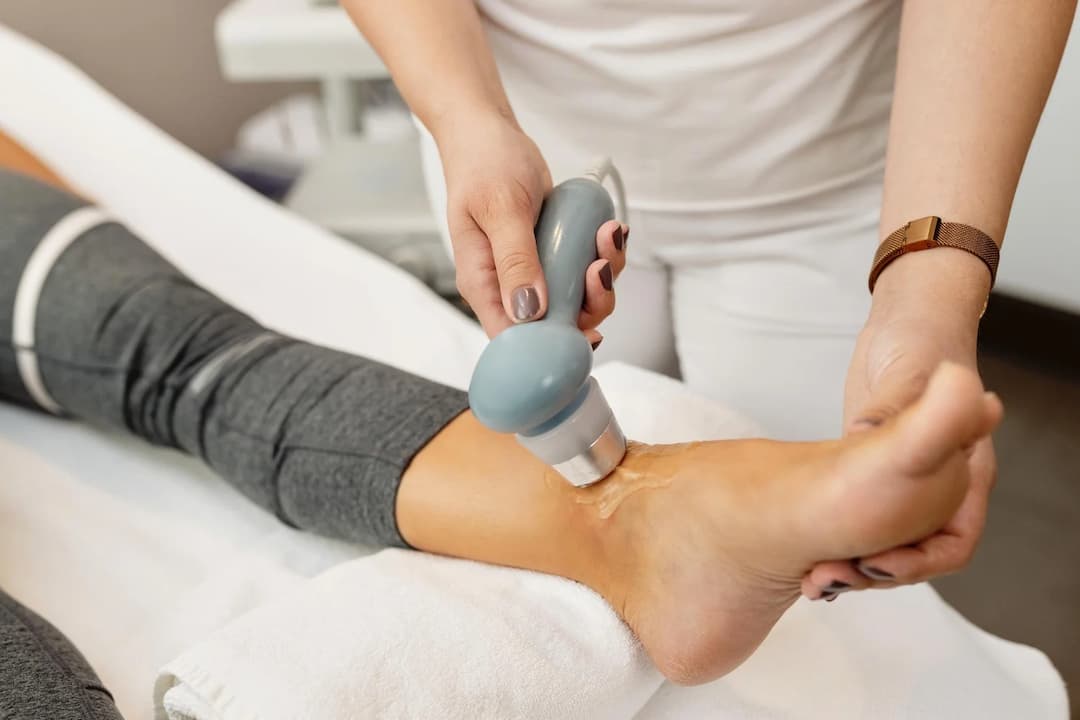
Electrotherapy involves the use of electrical energy to treat pain, promote healing, and improve muscle function. Techniques include:
-TENS (Transcutaneous Electrical Nerve Stimulation): Relieves pain by stimulating nerves with low-frequency electrical currents.
- EMS (Electrical Muscle Stimulation):Enhances muscle strength and rehabilitation by stimulating muscle contractions.
- **Ultrasound Therapy:** Uses high-frequency sound waves to penetrate tissues and reduce pain, inflammation, and muscle spasms.
- Interferential Current Therapy: Combines two high-frequency currents to target deeper tissues and relieve pain.
Electrotherapy is commonly used in physical therapy to aid recovery, manage pain, and improve functional outcomes.
Read More
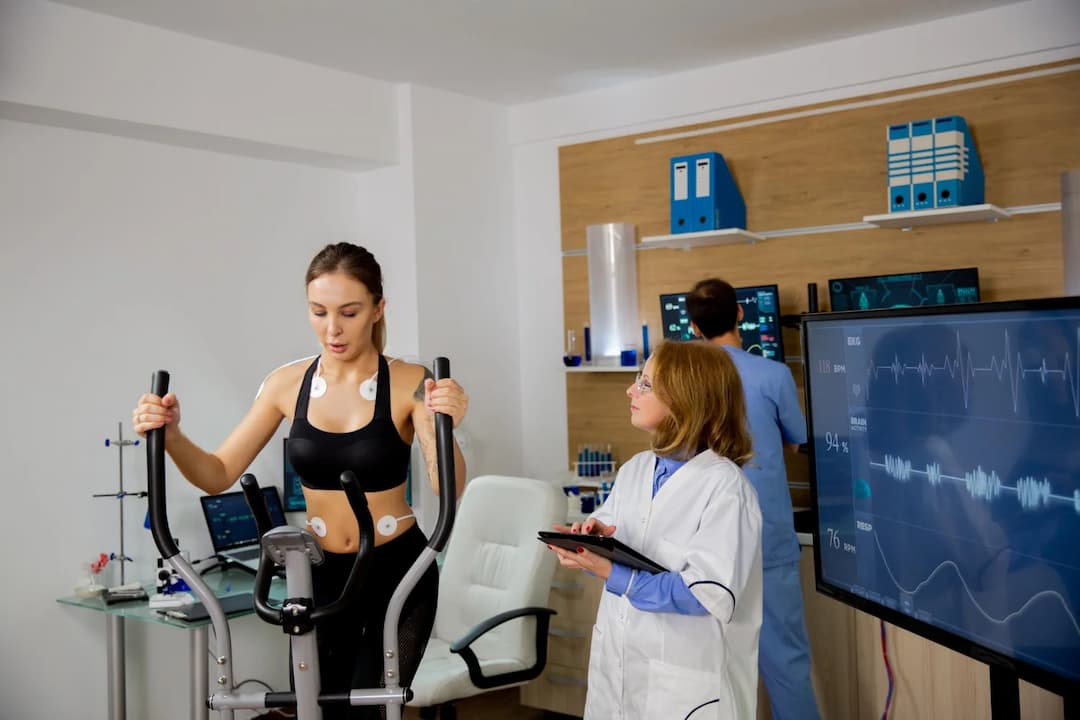
Exercise Prescription involves creating a customized exercise plan tailored to an individual's specific health needs, goals, and physical condition. It includes selecting appropriate types, intensities, and durations of exercise to address issues such as injury recovery, chronic conditions, or fitness improvements. The goal is to enhance physical function, improve overall health, and support rehabilitation through structured, evidence-based exercise routines. Exercise prescription is often used by physiotherapists, trainers, or healthcare professionals to optimize physical performance and well-being.
Read More
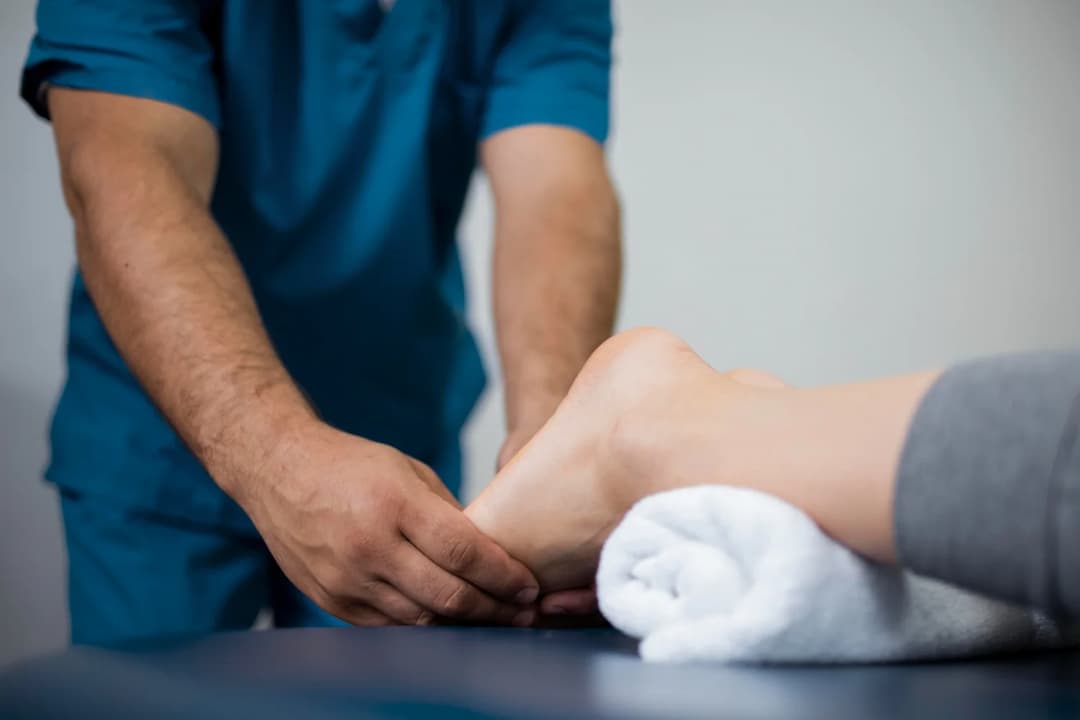
Manual Therapy Physio involves hands-on techniques used by physical therapists to diagnose and treat musculoskeletal pain and dysfunction. It includes methods such as joint mobilization, manipulation, and soft tissue massage to improve movement, reduce pain, and enhance overall function. This therapeutic approach aims to restore normal joint and muscle function, alleviate discomfort, and support recovery from injuries or chronic conditions. Manual therapy is often used in conjunction with other physiotherapy treatments to provide a comprehensive approach to rehabilitation.
Read More
We focuses on diagnosing and treating musculoskeletal conditions, including injuries, post-surgical rehabilitation, and chronic pain.
Conditions Treated:
- Fractures Recovery and rehabilitation post-injury.
- Sprains and Strains: Treatment for ligament and muscle injuries.
- Arthritis: Management of pain and mobility issues.
- Post-Surgical Rehabilitation: Recovery following surgeries like joint replacements or repairs.
- Tendinitis: Treatment of inflammation in tendons.
- Back and Neck Pain: Management of pain and improvement of function.
Goals of Orthopedic Physiotherapy
- Pain Reduction: Alleviating discomfort and enhancing quality of life.
- Restoration of Function: Helping patients regain strength and mobility.
- Prevention: Educating patients on preventing future injuries through proper mechanics and exercises.
- Rehabilitation: Supporting recovery post-surgery or injury to ensure a safe return to activities.
Read More
Neurological physiotherapy focuses on helping individuals with neurological disorders improve their mobility, function, and quality of life. It addresses conditions affecting the nervous system, which can impact movement, coordination, and daily activities.
Conditions Treated
- Stroke: Rehabilitation post-stroke to regain mobility and function.
- Multiple Sclerosis (MS): Management of symptoms and improvement of daily functioning.
- Parkinson's Disease: Strategies to enhance movement, balance, and reduce falls.
- Spinal Cord Injury: Rehabilitation to maximize independence and mobility.
- Traumatic Brain Injury (TBI): Recovery and adaptation strategies post-injury.
- Cerebral Palsy: Assistance in improving motor skills and mobility.
- Peripheral Neuropathy: Treatment for nerve damage that affects movement and sensation.
Goals of Neurological Physiotherapy
- Improve Mobility: Enhance walking, balance, and overall movement abilities.
- Increase Independence: Help patients perform daily activities with less assistance.
- Enhance Quality of Life: Improve overall well-being and participation in social and recreational activities.
- Prevent Complications: Reduce the risk of secondary complications such as contractures or falls.
Read More
Sports physiotherapy is a specialized area focused on the prevention, diagnosis, treatment, and rehabilitation of sports-related injuries. It aims to help athletes and active individuals enhance their performance and recover from injuries effectively.
Conditions Treated
- Acute Injuries: Sprains, strains, fractures, and contusions.
- Overuse Injuries: Tendinitis, bursitis, stress fractures, and plantar fasciitis.
- Joint Injuries: Ligament tears (like ACL), meniscus injuries, and dislocations.
- Muscle Injuries: Tears or strains in various muscle groups.
- Post-Surgical Rehabilitation: Recovery following surgeries related to sports injuries.
Goals of Sports Physiotherapy
- Injury Prevention: Educating athletes on techniques and strategies to avoid injuries.
- Pain Management: Reducing pain and discomfort to facilitate recovery.
- Performance Enhancement: Improving strength, flexibility, and overall athletic performance.
- Return to Sport: Ensuring safe and effective rehabilitation to return to play after an injury.
Read More
Addresses issues related to pregnancy, post-partum recovery, and pelvic floor dysfunction.
- Pelvic Floor Rehabilitation: Techniques to strengthen or relax pelvic floor muscles, including biofeedback and specific exercises.
- Exercise Therapy: Tailored exercise programs to enhance strength, flexibility, and overall fitness, especially during and after pregnancy.
- Manual Therapy: Hands-on techniques to relieve pain and improve mobility in affected areas.
- Education and Counseling: Providing information on body mechanics, pelvic health, and strategies for managing symptoms.
- Breast Care: Techniques to manage pain and discomfort post-surgery or during treatment for breast cancer.
- Hydrotherapy: Water-based exercises that can be particularly beneficial during pregnancy or for individuals with mobility challenges.
Goals of Women’s Health Physiotherapy
- Restore Function: Help women regain strength and function after childbirth or surgery.
- Manage Symptoms: Alleviate pain, discomfort, and other symptoms associated with pelvic and reproductive health.
- Promote Well-Being: Support overall health and wellness through exercise and education.
- Enhance Quality of Life: Improve daily activities and overall life satisfaction.
Working with obstetricians, gynecologists, and other healthcare professionals to provide comprehensive care. Educating women about their health issues and advocating for better awareness and treatment options.
Read More
This treatment involves using warm paraffin wax to provide pain relief, improve circulation, and promote healing. The heat from the wax helps to relax muscles, soothe pain, and increase blood flow to the treated area.
Conditions Treated
- Arthritis: Alleviating joint pain and stiffness.
- Muscle and Joint Pain: Providing relief for conditions like tendinitis and bursitis.
- Rehabilitation: Supporting recovery from injuries or surgeries.
- Raynaud’s Disease: Helping with circulation issues.
Benefits of Wax Therapy
- Pain Relief: The heat helps to alleviate discomfort in affected areas.
- Improved Mobility: Increases range of motion by relaxing muscles and soft tissues.
- Enhanced Circulation: Promotes blood flow, which can aid healing and reduce swelling.
- Hydration: The wax can moisturize and soothe the skin.
Read More
Post-surgery rehabilitation is a crucial aspect of recovery that helps individuals regain strength, mobility, and function after surgical procedures. The specifics of rehabilitation can vary greatly depending on the type of surgery and the individual’s overall health.
Goals of Post-Surgery Rehabilitation
- Pain Management: Reducing pain and discomfort through various therapeutic techniques.
- Restoration of Function: Helping the patient regain pre-surgery levels of mobility and function.
- Strengthening: Building strength in affected areas to support recovery and prevent future injuries.
- Improving Range of Motion: Enhancing flexibility and joint mobility.
- Education: Teaching patients about their recovery process, self-management strategies, and any precautions they should take.
Common Types of Post-Surgery Rehabilitation
- Orthopedic Rehabilitation: For surgeries like joint replacements, ligament repairs, or fractures.
- Cardiac Rehabilitation: Following heart surgery, focusing on improving cardiovascular fitness.
- Neurological Rehabilitation: After surgeries related to brain or spinal cord injuries, focusing on restoring function and mobility.
- Abdominal Surgery Rehabilitation: Post-surgery recovery for procedures like hernia repair or cesarean sections, focusing on core strength and mobility.
Read More
Coccydynia, or tailbone pain, can be quite uncomfortable and may result from trauma, prolonged sitting, or other factors. Physiotherapy is an effective treatment option to help manage and alleviate the symptoms.
Goals of Physiotherapy for Coccydynia
- Pain Relief: Reduce pain and discomfort in the coccygeal region.
- Improved Mobility: Enhance flexibility and strength in the pelvic area.
- Posture Correction: Address any postural issues that may contribute to pain.
- Education: Provide strategies for managing symptoms and preventing recurrence.
-
Home Exercises
Physiotherapists often recommend specific exercises to perform at home to maintain progress and improve recovery. These may include:
- Gentle stretching for the lower back and hips
- Strengthening exercises for the core and pelvic floor
- Techniques for maintaining proper posture while sitting
Read More
Disc prolapse, also known as a herniated or slipped disc, occurs when the inner gel-like core of a spinal disc bulges through a tear in the outer layer. This can lead to pain, nerve compression, and other symptoms. Treatment for disc prolapse typically involves a combination of conservative measures, and in some cases, surgery may be necessary.
- Assessment: A physiotherapist will assess your condition and create a personalized rehabilitation plan.
- Exercise Therapy: Focuses on strengthening the muscles around the spine, improving flexibility, and enhancing core stability.
- Manual Therapy: Hands-on techniques to relieve pain and improve mobility.
- Posture Training: Educating on proper posture and ergonomics to reduce strain on the spine.
- Modalities: Use of heat, cold, ultrasound, or electrical stimulation to manage pain and inflammation.
- Treatment for disc prolapse is often effective with conservative measures, and most individuals can return to normal activities with proper management.
Read More
Sciatica refers to pain that radiates along the sciatic nerve, which runs from the lower back down through the hips and buttocks and down each leg. This pain often occurs due to compression or irritation of the nerve, typically caused by conditions like herniated discs, spinal stenosis, or piriformis syndrome.
- Pain Management
- Modalities:
- Heat Therapy: Application of heat (like a heating pad) to relax muscles and improve blood circulation.
- Cold Therapy: Ice packs to reduce inflammation and numb acute pain.
- Ultrasound Therapy: Use of sound waves to promote tissue healing and reduce pain.
- Modalities:
- Manual Therapy
- Mobilization: Gentle movements to improve joint mobility and reduce stiffness in the lumbar spine and pelvis.
- Manipulation: Techniques to realign the spine and relieve pressure on the sciatic nerve.
- Soft Tissue Techniques: Massaging tight muscles to alleviate tension, particularly in the lower back and buttocks.
- Exercise Therapy
- Stretching Exercises: Focus on improving flexibility in the hamstrings, hip flexors, and lower back. This can help relieve tension on the sciatic nerve.
- Strengthening Exercises: Core and lower back strengthening exercises to provide better support for the spine, including:
- Pelvic tilts
- Bridges
- Planks
- Aerobic Conditioning: Low-impact activities like walking or swimming to improve overall fitness and promote healing.
- Posture and Ergonomics
- Postural Training: Education on maintaining proper posture during sitting, standing, and lifting to reduce strain on the spine.
- Ergonomic Assessment: Advice on workstation setup and daily activities to minimize pressure on the sciatic nerve.
- Functional Training
- Activity Modification: Teaching patients how to modify activities to avoid exacerbating symptoms while encouraging gradual return to normal activities.
- Gait Training: If necessary, to improve walking patterns and reduce compensatory movements.
Education
- Self-Management Techniques: Instruction on pain management strategies, including how to use heat or cold therapy at home.
- Lifestyle Modifications: Guidance on maintaining a healthy weight, staying active, and incorporating regular exercise into daily routines.
- Prevention Strategies: Tips on preventing future episodes of sciatica, such as proper lifting techniques and regular stretching.
Duration and Frequency
- Treatment plans are typically individualized, with sessions often occurring 1-2 times per week for several weeks, depending on the severity of symptoms and the patient's progress.
Conclusion
Physiotherapy for sciatica focuses on a comprehensive approach that combines pain relief, functional rehabilitation, and education. Early intervention can lead to better outcomes, helping individuals regain mobility and return to their daily activities.
Read More